Startups & agtech teams
Evidence review, R&D decision support, technical-risk assessment, validation planning, and investor-facing scientific clarity.
Founder-led • Advisor-supported • Scientifically grounded
AgriSACUSA helps startups, agricultural technology companies, investors, and research organizations examine and interpret scientific evidence, identify technical risk, and define the work needed before validation, partnership, investment, project advancement, or commercialization.
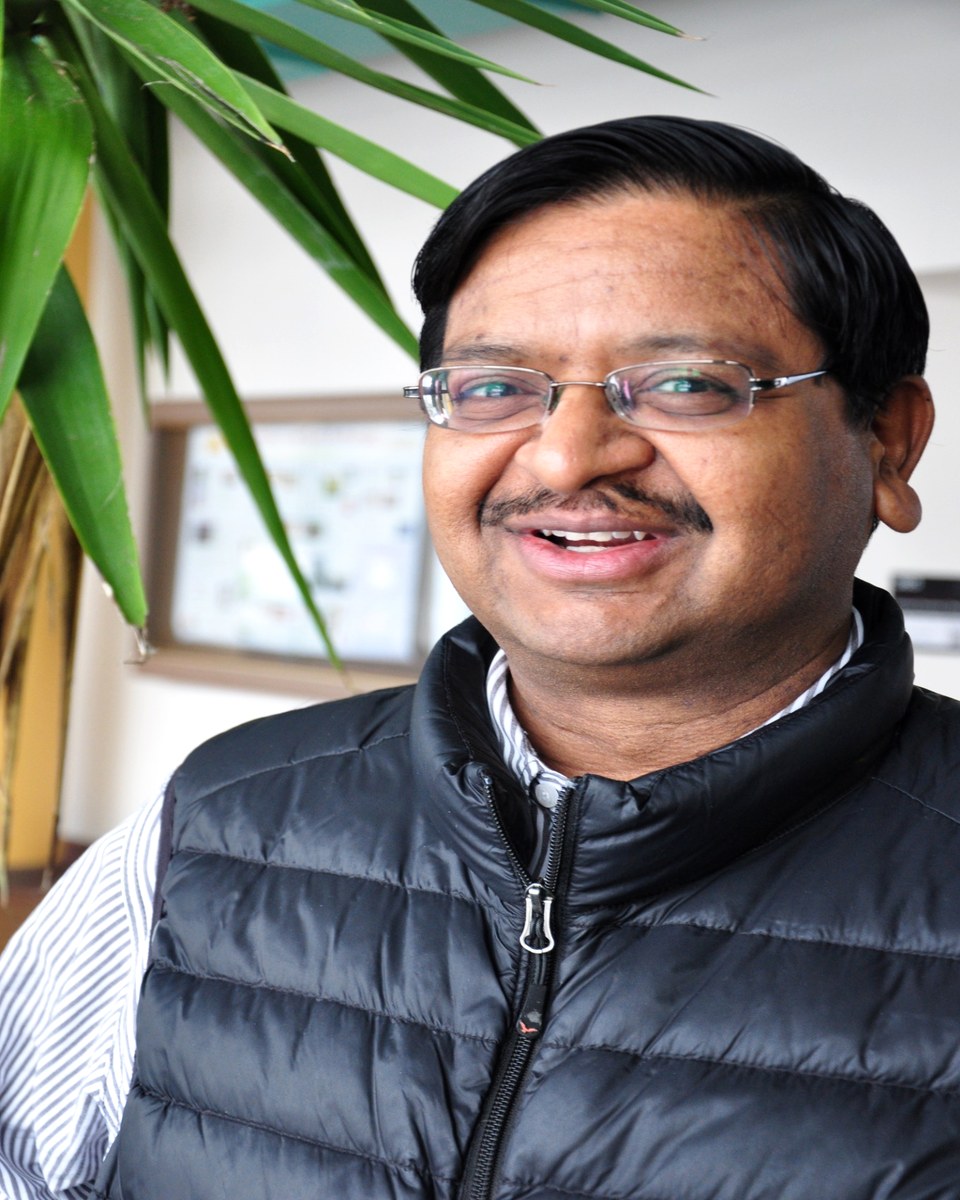
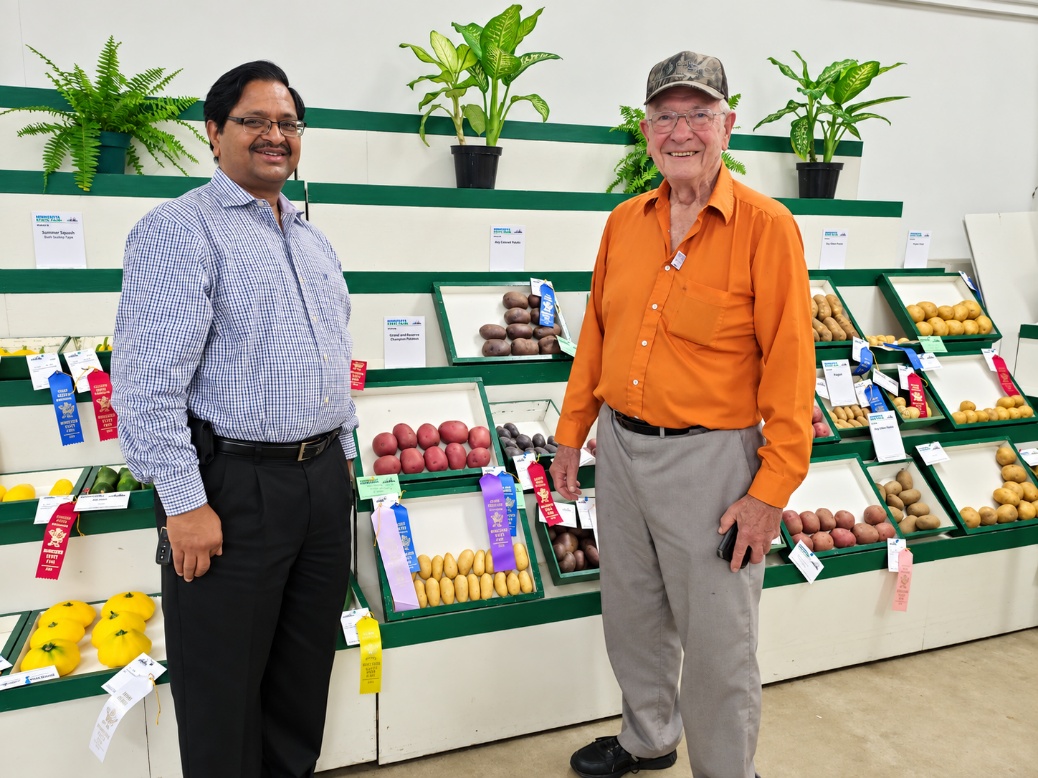
Featured legacy story
Celebrating a lifetime of potato breeding, genetics, tissue culture, students, growers, and service to the potato community—and a passion that continued long after retirement.
Read the full storyWho AgriSACUSA helps
Each engagement is shaped around the client’s decision, evidence base, timeline, and risk.
Evidence review, R&D decision support, technical-risk assessment, validation planning, and investor-facing scientific clarity.
Product validation, greenhouse-to-field translation, efficacy evidence, mode-of-action strategy, pipeline review, and go/no-go decision support.
Assay development, enzyme and protein characterization, troubleshooting, validation planning, and scientific-program review.
Biochemical markers for predicting storage-related quality change, reducing-sugar formation potential, and processing-quality risk, with potato as a strong proof-of-concept and broader exploratory potential in other crops.
Defined ways to engage
Engagements can begin with a focused question and expand only when additional work adds value.
Independent assessment of claims, evidence quality, technical position, validation status, execution risk, and next-stage requirements.
Typical outcomeClearer support for startup, partnership, licensing, investment, portfolio, or R&D stage-gate decisions.
Explore this service →Review whether greenhouse, growth-room, or controlled-environment results are strong enough to justify field advancement.
Typical outcomeIdentify translation risk, experimental gaps, and field-validation priorities.
Explore this service →Support for enzyme, protein, bioassay, mode-of-action, and biochemical evidence programs.
Typical outcomeImproved data quality, method reliability, and interpretation for technical decisions.
Explore this service →Review storage-quality evidence, reducing-sugar formation potential, processing-quality risk, and marker-informed pilot-validation needs.
Typical outcomeBetter storage, processing-quality, crop-quality, and pilot-validation decisions.
Explore this specialty service →Areas of expertise
Discovery-to-field product development, efficacy claims, mode-of-action evidence, nitrogen-use efficiency, plant-microbe interactions, reproducibility, and performance variability.
Experimental design, controls, replication, environmental variables, CRO coordination, data interpretation, and go/no-go decisions.
Enzyme kinetics, stability, recombinant proteins, purification, ELISA, quantitative biochemical assays, and 96-well assay development.
Assessment of hypotheses, methods, controls, interpretation, reproducibility, evidence gaps, and alternative explanations.
Storage planning, processing-quality retention, cold-induced sweetening risk, biochemical-marker applications, and variety-development decisions.
SOPs, laboratory workflows, safety, technical hiring, staff training, external collaborations, and infrastructure assessment.
About AgriSACUSA
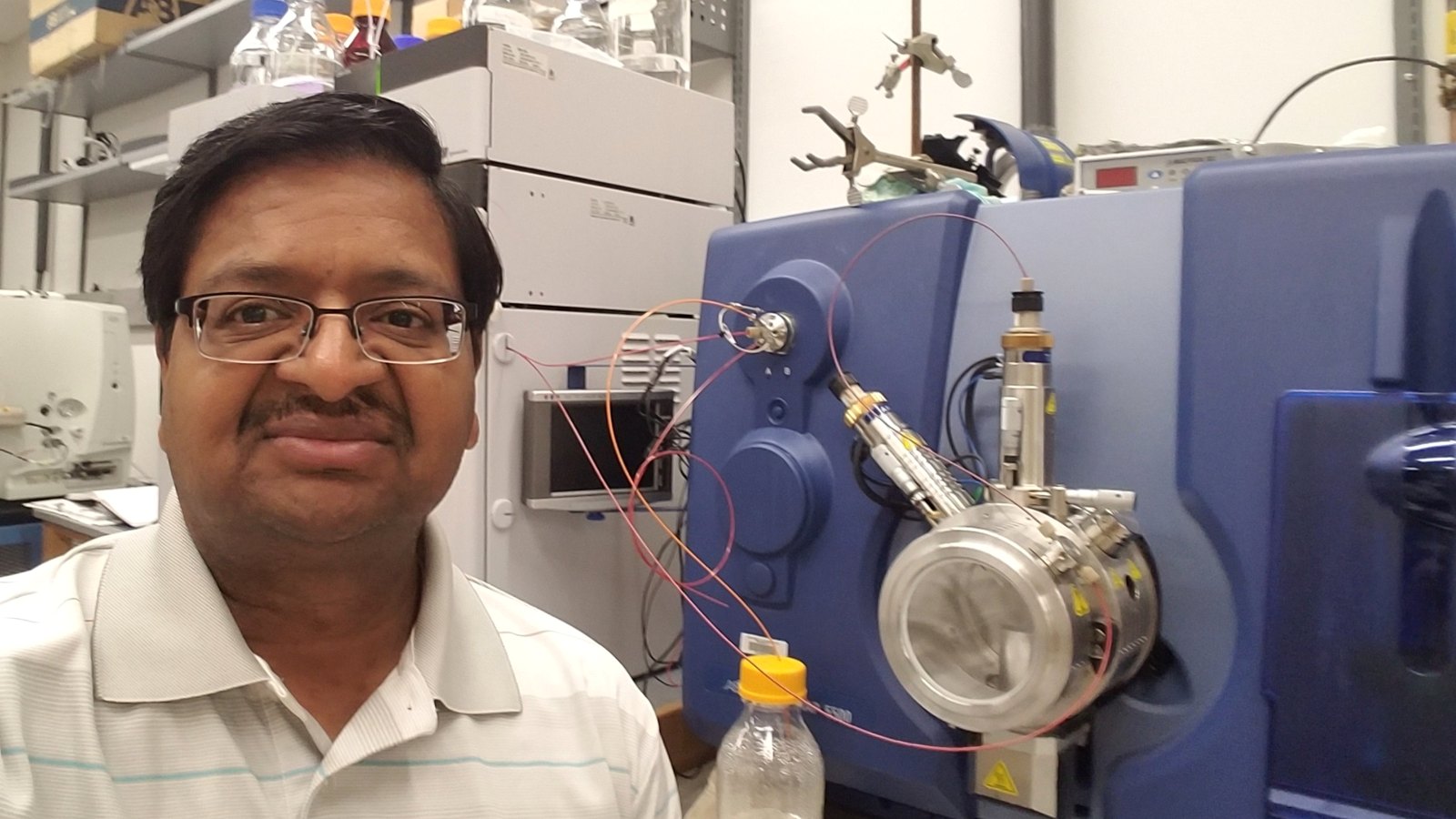
AgriSACUSA was founded by Sanjay K. Gupta, Ph.D., as a scientific and technical advisory platform for agricultural biotechnology, biological-product validation, controlled-environment to field translation, protein and enzymology programs, and potato storage and processing-quality decisions.
The platform is being strengthened through senior industry advisory support, beginning with Stephen Duff, Ph.D., who brings experience in agricultural biotechnology, enzymology, technology evaluation, commercialization pathways, scientific communication, and the St. Louis plant-science ecosystem.
Why work with AgriSACUSA
Connects molecular and biochemical evidence with greenhouse, field, processing, and commercialization realities.
Separates what data support from assumptions, untested claims, and avoidable technical risk.
Translates findings into validation priorities, milestones, and go/no-go decisions.
Engagement formats
Focused 30-90 minute consultations and technical interviews.
Datasets, manuscripts, research plans, presentations, and development packages.
Due diligence, assay strategy, validation planning, pipeline assessment, and R&D review.
Scientific review panels, advisory boards, and structured decision sessions.
AgriSACUSA and its advisors rely only on publicly shareable experience and do not disclose confidential or proprietary information from prior employers, clients, collaborators, or institutions. Confidential project discussions and document reviews can be conducted under an appropriate NDA. Scope, deliverables, timeline, and fees are agreed in writing before project work begins. Third-party confidential information and material nonpublic information will not be requested, used, or disclosed. Services are scientific and technical, not legal, tax, securities, or regulated investment advice.
Start a conversation
A brief introductory discussion can determine whether AgriSACUSA is the right fit and what type of engagement would be most useful.
Sanjay K. Gupta, Ph.D.
Founder and Scientific & Technical Advisor
Agri SAC LLC (AgriSACUSA)
Lake St. Louis, Missouri
Stay connected
Useful for phones, tablets, meetings, printed handouts, and sharing with colleagues.